
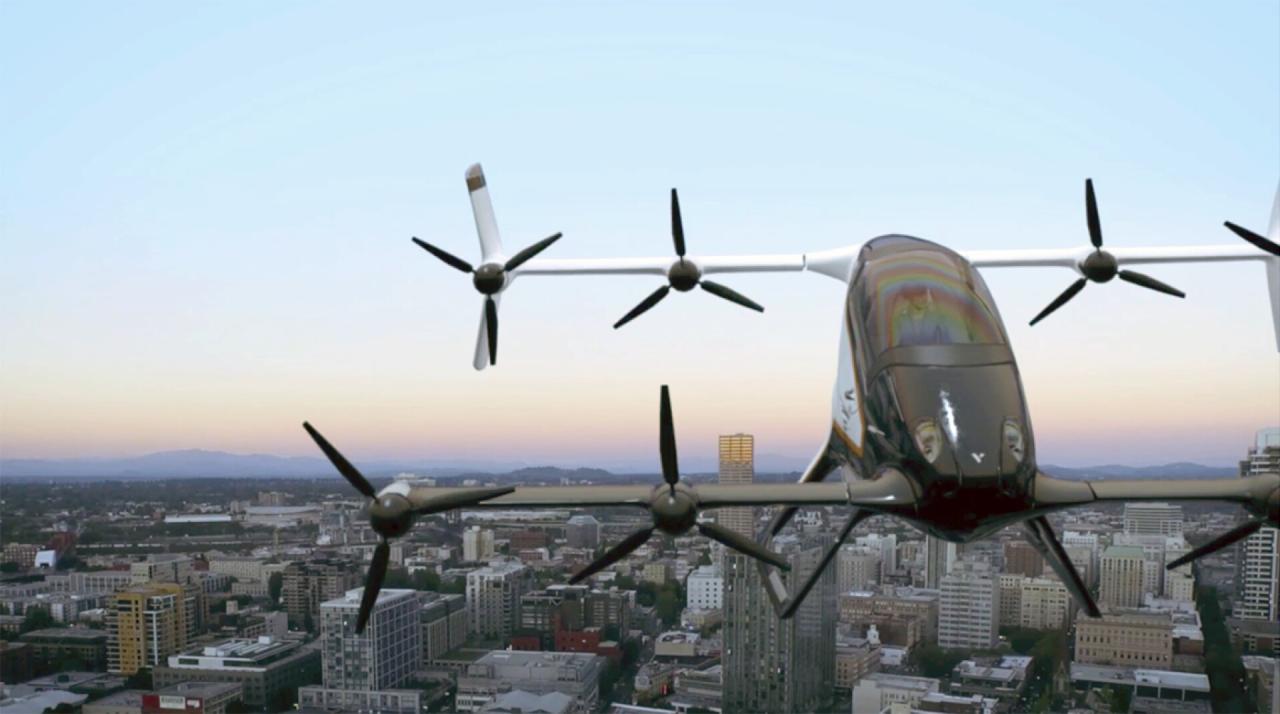
For over a century, our cities have grown horizontally, sprawling outward and creating complex, two-dimensional transportation grids that are now choked with congestion. The dream of a third dimension—the sky—as a viable route for everyday travel has long been relegated to the realm of science fiction. Today, however, that dream is on the cusp of becoming a reality with the advent of Urban Air Mobility (UAM). UAM is a revolutionary concept that uses a new class of aircraft, often electric and autonomous, to transport people and goods within and between urban areas. It is not about personal helicopters; it is about creating a safe, efficient, and accessible air transportation system that will fundamentally transform city life. This article will serve as a comprehensive exploration of UAM, from its foundational technologies and operational models to its profound impact on urban planning, the economy, and our daily lives. We will delve into the challenges that must be overcome and the vast opportunities that lie ahead as we prepare to take to the skies.
The Technology Powering the Ascent
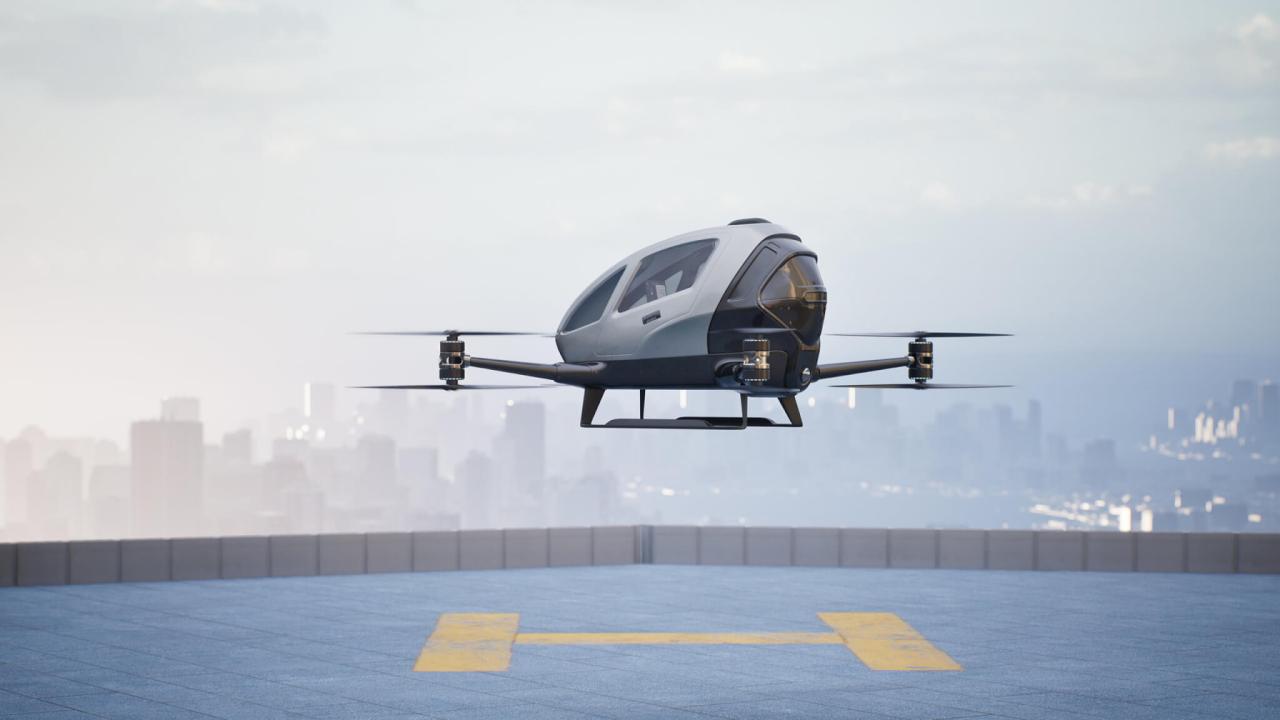
The UAM revolution is built upon a convergence of technological breakthroughs that have made what was once impossible, now feasible.
A. Electric Propulsion: The Silent Revolution
The most critical innovation is the shift from fossil fuels to electric power. Electric Vertical Take-Off and Landing (eVTOL) aircraft are the centerpiece of UAM. Unlike traditional helicopters, which are loud and complex, eVTOLs use multiple electric rotors to take off and land vertically, making them significantly quieter and more environmentally friendly. This allows them to operate in densely populated urban areas without creating noise pollution, a major barrier for previous air transport solutions. The batteries powering these aircraft are also becoming lighter, more powerful, and faster to charge, extending their range and viability.
B. Autonomous Flight Systems: The New Pilot
The economics of UAM only work at scale if the aircraft can operate without a human pilot. The development of sophisticated autonomous flight systems is a key enabler. These systems use a combination of GPS, advanced sensors, and AI to navigate complex urban airspace, avoid obstacles, and ensure a safe and efficient flight path. While a human operator will likely monitor the flights from a ground control center initially, the long-term vision is for a fully autonomous network, dramatically reducing operational costs and increasing the number of flights that can be managed.
C. Air Traffic Management: The Sky’s New Rules
The sky above our cities is an open canvas, but it’s not an unregulated one. The current air traffic control system is designed for large, commercial airplanes. A new, more agile and automated system is needed to manage a fleet of thousands of small, low-altitude aircraft. This new system, often referred to as Unmanned Aircraft System Traffic Management (UTM), will use digital, real-time data to safely and efficiently route UAM flights, preventing collisions and coordinating with ground-based transport.
Redefining Urban Connectivity and Economics
The deployment of UAM will not just add another mode of transport; it will fundamentally restructure our cities and economies.
- A. The Rise of Vertiports: To function at scale, UAM will require a network of strategically located vertiports—small, dedicated landing pads for eVTOLs. These vertiports will be built on rooftops of existing buildings, in parking lots, or on dedicated plots of land, acting as a new type of urban hub. They will be integrated with existing public transit systems, offering a seamless transfer for commuters.
- B. Shifting Real Estate Values: Just as highways and train stations created new economic hubs in the 20th century, vertiports will become the new anchors of urban development. Properties near these vertiports will likely see a significant increase in value, as they offer unprecedented access to urban centers and surrounding areas. This could lead to a decentralization of business districts, as companies no longer need to be located in the most expensive downtown areas to attract top talent.
- C. A New Economic Engine: The UAM industry will create a massive new economic ecosystem. This includes not just the manufacturers of the aircraft, but also the companies that build and operate vertiports, the software developers who create the booking and air traffic management systems, and the service providers who maintain the fleets. This will generate thousands of high-tech jobs and spur innovation in countless related fields.
The Cargo and Service Revolution
While passenger transport is the most exciting and visible aspect of UAM, the most immediate and significant impact may come from the movement of goods and the provision of services.
- A. On-Demand Logistics: Drones are already being used for last-mile delivery in some areas, but UAM will take this to a new level. Large, autonomous cargo eVTOLs could transport goods between warehouses and distribution centers, bypassing road traffic entirely. This would dramatically reduce delivery times for e-commerce and logistics companies, making same-day and even same-hour delivery the norm.
- B. Emergency and Medical Services: UAM could revolutionize emergency services. Autonomous drones could deliver life-saving medical supplies, like defibrillators or blood, to remote or congested areas far faster than an ambulance. This could be a game-changer for critical care and disaster relief.
- C. Surveillance and Inspections: eVTOLs can be used for aerial surveillance of large infrastructure, like pipelines or power lines, and for monitoring traffic or security. This is far more efficient and cost-effective than using traditional helicopters or ground patrols.
The Challenges and the Road Ahead
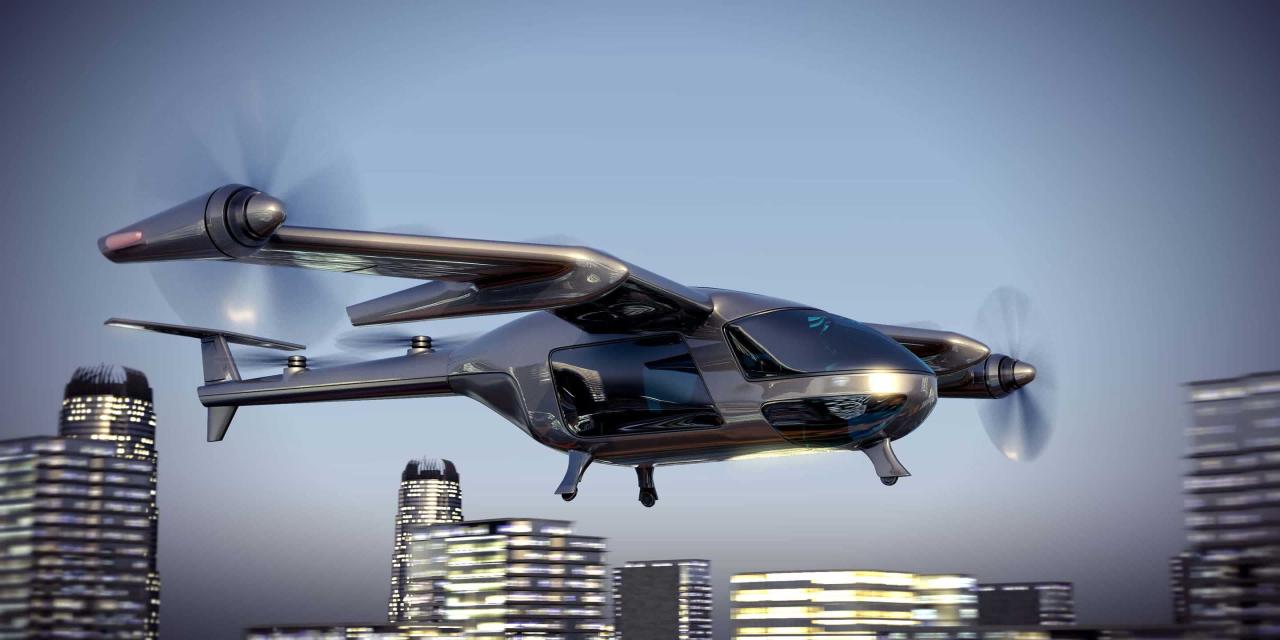
The vision of a sky filled with flying taxis is compelling, but there are significant hurdles to overcome before it becomes a widespread reality.
A. Regulatory and Safety Frameworks: The most pressing challenge is the need for a comprehensive regulatory framework. Governments and aviation authorities must create new rules for low-altitude flight, pilot certification (even for remote operators), and noise regulations. This process is complex and will require collaboration between government, industry, and the public.
B. Public Acceptance: While the idea of UAM is exciting, there are still questions about public acceptance. People may be hesitant to fly in an autonomous aircraft or to live under a flight path. Companies will need to build public trust through a transparent and incremental rollout, starting with cargo and then moving to piloted passenger flights.
C. Infrastructure Development: The network of vertiports and charging stations required for a large-scale UAM system is a massive infrastructure project. It will require significant investment and coordination between private companies and local governments.
D. Cybersecurity: As with any new technology, cybersecurity is a major concern. A UAM system will be highly digitized, and a single cyber-attack could have catastrophic consequences. Robust security protocols and constant monitoring will be essential.
Conclusion
Urban Air Mobility is not a fantasy; it is the logical next step in our quest for more efficient and sustainable urban living. As our cities continue to grow and our ground-based transportation systems reach their limits, the sky offers a new frontier for mobility. The convergence of electric propulsion, autonomous systems, and advanced air traffic management is creating a unique opportunity to build a third dimension of urban transport that is faster, quieter, and cleaner than anything we have today.
The impact will be profound and far-reaching, transforming everything from our daily commutes and the value of our homes to the very fabric of our urban landscape. It will create new economic opportunities, solve intractable logistical problems, and, most importantly, give us back our time—time that is currently lost to traffic jams and long commutes.
While the challenges are real and complex, the momentum behind UAM is undeniable. Governments, major corporations, and innovative startups are all investing heavily in this new technology, recognizing its potential to solve some of the world’s most pressing problems. The journey from the drawing board to the skies will be a long one, but the direction is clear. The urban core of the future will not be defined by its roads, but by its sky-lanes. The vertical revolution in urban mobility is not just on the horizon; it is already taking flight.