
The global automotive industry, long reliant upon the established, century-old technology of the internal combustion engine (ICE), is currently navigating a profound, irreversible, and accelerating transformation. This seismic shift towards electrification is driven by an unavoidable convergence of stringent environmental regulations, massive technological advancements in battery chemistry, and rapidly changing consumer preferences.
The sale of Electric Vehicles (EVs)—encompassing both pure battery-electric vehicles (BEVs) and plug-in hybrids (PHEVs)—has surged from a niche market curiosity to a major, non-negotiable segment of the global auto market. This rapid ascent marks a critical inflection point in the future of transportation and energy consumption worldwide.
Electric Sales: Market Growth and Future Trajectory is the indispensable discipline dedicated to understanding the core economic drivers, the technological hurdles being overcome, and the strategic market dynamics that dictate this revolutionary transition.
Understanding the complexities of battery cost reduction, charging infrastructure needs, and the shifting competitive landscape is absolutely paramount. This knowledge is the key to comprehending the fundamental re-engineering of the entire automotive and energy ecosystems.
The Irreversible Momentum Toward Electrification
The fundamental driver of the Electric Vehicle (EV) revolution is the global commitment to decarbonization. Governments worldwide are implementing increasingly stringent emissions standards and setting aggressive deadlines for phasing out the sale of new Internal Combustion Engine (ICE) vehicles. This regulatory pressure provides the external mandate for change. Automakers are forced to allocate massive capital toward developing electric platforms.
The second core driver is the exponential improvement in battery technology. Advances in lithium-ion and emerging solid-state chemistries have dramatically increased energy density. This increased density provides greater driving range. It simultaneously reduces the battery’s overall weight and, crucially, its cost. The continuous reduction in battery cost is the single most important factor driving EV price parity with ICE vehicles.
Consumer demand has shifted profoundly. Modern buyers prioritize the high performance, reduced environmental footprint, and lower long-term running costs of electric vehicles. EVs offer instant torque and quieter operation. These features create a superior, high-technology driving experience. This appeal to both ethics and performance fuels market demand.
The strategic imperative for automakers is clear: market leadership in the next decade will be overwhelmingly determined by success in the electric sector. Companies that fail to aggressively transition their production and supply chain risk massive technological obsolescence. The transition is not simply about swapping engines; it is a fundamental re-engineering of the entire vehicle architecture.
Technological Foundations and Cost Parity
The long-term viability of the Electric Vehicle market depends entirely on technological breakthroughs that address the core issues of cost, range, and charging speed. Continuous innovation in materials science is the engine of this progress. Achieving price parity with ICE vehicles is the immediate economic goal.
A. Battery Cost Reduction
Battery cost reduction is the non-negotiable factor enabling mass market adoption. Prices for battery packs have dropped dramatically over the past decade. This reduction is driven by massive scale in “gigafactories” and continuous refinement in manufacturing processes. Further cost cuts are essential to bring mid-tier EVs into direct competition with equivalent internal combustion engine cars. The price point dictates market acceptance.
B. Advances in Battery Chemistry
Innovation is focused on advanced battery chemistry. Research into solid-state batteries promises to significantly increase energy density. This increase would boost driving range and reduce charging times dramatically. These next-generation chemistries aim to replace the limitations of current liquid lithium-ion technology. Breakthroughs in this field would fundamentally change the economics and performance of the EV.
C. Charging Infrastructure Expansion
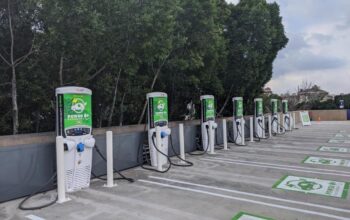
The widespread issue of “range anxiety”—the fear of running out of power before reaching a charging station—is being actively addressed through massive investment in charging infrastructure expansion. Governments and private companies are deploying high-speed DC fast chargers along major transport corridors. Regulation mandates minimum charging infrastructure density. Convenient, reliable charging is essential for mass consumer trust.
D. Vehicle Architecture (Skateboard Chassis)
EVs utilize a fundamentally different vehicle design known as the skateboard chassis. The flat battery pack is housed entirely beneath the floor of the vehicle. This modular design lowers the vehicle’s center of gravity. This improves handling and safety. It also creates more flexible interior cabin space for designers. This architecture is the platform for all modern EVs.
Global Market Dynamics and Competition
The Global EV market is characterized by intense, rapidly escalating competition and profound regional differences in adoption rates and manufacturing dominance. The competitive landscape is shifting away from traditional Western automakers. New, agile Asian manufacturers are rapidly gaining ground.
E. China’s Market Dominance
China is the undisputed global leader in EV production and sales volume. This dominance is driven by proactive government policy, massive investment in the supply chain, and aggressive domestic competition among automakers. Chinese manufacturers benefit from a highly developed local battery supply chain. This industrial scale allows them to produce affordable, high-quality EVs efficiently. China sets the global benchmark for volume and speed of transition.
F. Policy and Regulatory Drivers
Government policies and incentives are critical drivers of adoption. Tax credits, purchase subsidies, and stringent fleet emissions standards accelerate the market transition. Conversely, geopolitical tensions and the imposition of tariffs can disrupt the supply chain. Tariffs increase the final consumer price. Policy uncertainty severely affects manufacturing investment decisions.
G. The Hybrid Resurgence
As the market matures, hybrid vehicles (PHEVs and traditional hybrids) are experiencing a significant resurgence. Hybrids offer a critical stepping stone for consumers concerned about range anxiety or charging infrastructure availability. They provide the benefit of reduced emissions and electric driving for short commutes. Hybrids mitigate consumer fear during the early stages of the charging infrastructure buildout.
H. Servitization and Software Value
The value of the EV is defined increasingly by its software capabilities (Software-Defined Vehicle or SDV). Automakers are moving toward a servitization model. They use over-the-air (OTA) updates to enhance performance and sell subscription-based features. This shifts the revenue focus from the initial hardware sale to continuous, recurring income from specialized software services.
Future Trends and Systemic Impact
The long-term trajectory of the Electric Vehicle revolution extends far beyond the consumer automotive market. It will fundamentally reshape energy grids, raw material sourcing, and end-of-life battery management globally. The impact is systemic and wide-ranging.
I. Grid Integration and Smart Charging
The massive influx of EVs necessitates Smart Charging and Grid Integration. Vehicles must charge during periods of low demand to avoid destabilizing the energy grid. Vehicle-to-Grid (V2G) technology allows parked EVs to sell excess battery energy back to the grid during peak demand hours. This turns the fleet into a massive, decentralized energy storage system. This capability enhances grid resilience.
J. Battery Recycling and Sustainability
The sustainability of the EV transition hinges on establishing robust battery recycling infrastructure. Raw materials like lithium, cobalt, and nickel are finite and environmentally costly to mine. Effective, high-yield recycling minimizes the environmental footprint. It secures the long-term supply of critical battery components. The circular economy is mandatory for EVs.
K. Autonomous Systems Integration
EV platforms are inherently suited for autonomous systems integration. The centralized architecture, high computing power (HPC), and powerful battery capacity simplify the addition of advanced driver assistance systems (ADAS) and full self-driving capabilities. Electrification is a necessary precursor for the widespread deployment of autonomous vehicles.
L. New Battery Chemistries (Sodium-ion)
Research into new battery chemistries, such as sodium-ion and non-cobalt solutions, is crucial for sustainability and cost reduction. Sodium-ion batteries utilize more abundant and cheaper raw materials. This innovation will further reduce the cost of the entry-level EV segment. It mitigates the geopolitical risk associated with current supply chains.
Conclusion
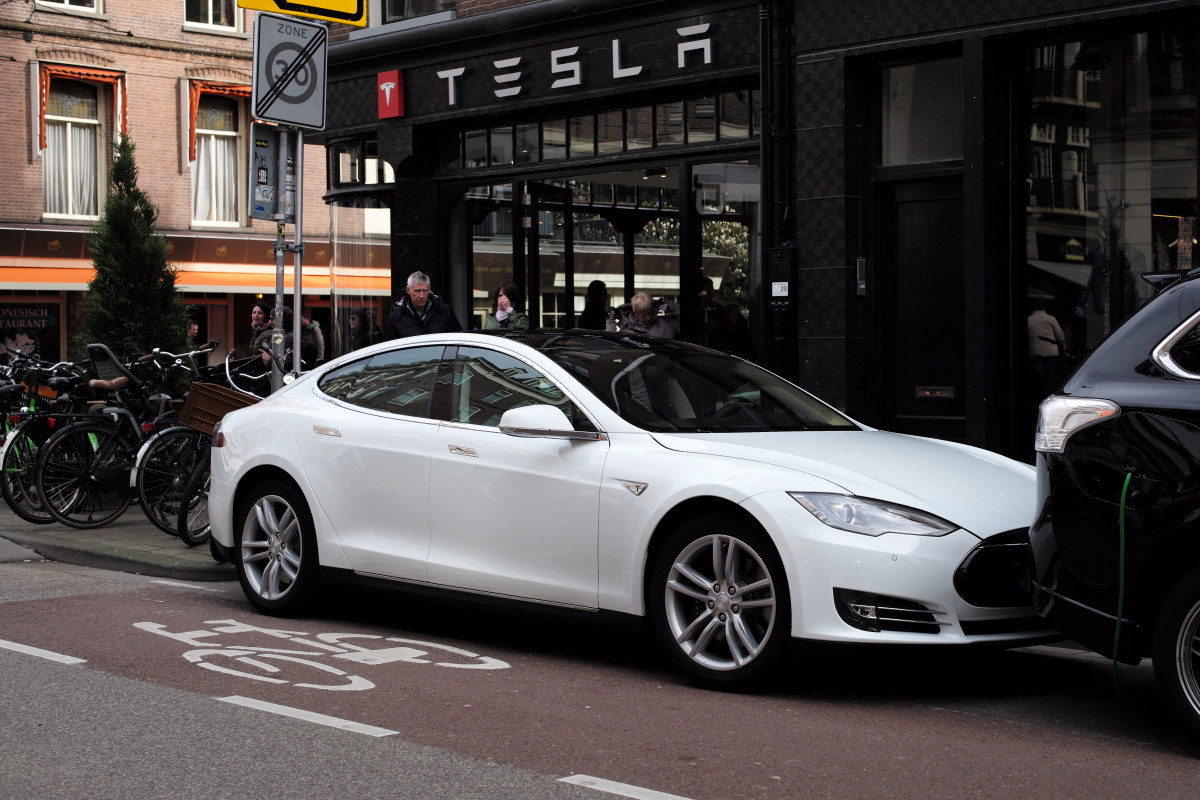
Electric Vehicle Sales mark the definitive, irreversible, and accelerating transition of the global automotive industry.
The momentum is driven by technological breakthroughs in battery cost reduction and the mandatory commitment to global decarbonization targets.
Mid-band spectrum deployment and massive fast-charging infrastructure expansion are non-negotiable requirements for achieving mass consumer confidence.
The strategic success of the market relies heavily on the continued, exponential decline in the cost of the underlying battery technology.
China’s immense scale and developed supply chain position it as the current undisputed global leader in efficient, high-volume EV production.
The resurgence of hybrid vehicles provides a critical, necessary bridge for consumers still concerned about range anxiety and charging accessibility.
The Software-Defined Vehicle (SDV) model shifts revenue focus toward continuous, recurring subscription income from specialized in-car features.
The future will integrate EVs into the energy grid using V2G technology, transforming the fleet into a critical, decentralized energy storage asset.
Aggressive investment in new battery recycling infrastructure is paramount for ensuring the long-term environmental sustainability of the entire EV ecosystem.
Mastering this technological and supply chain transformation is the key to securing long-term market leadership and competitive manufacturing advantage.
The successful transition to electric vehicles is the final, authoritative guarantor of clean mobility and reduced global carbon emissions.
EV technology stands as the indispensable foundation for autonomous driving and the future of sustainable transportation worldwide.