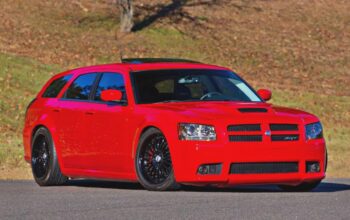

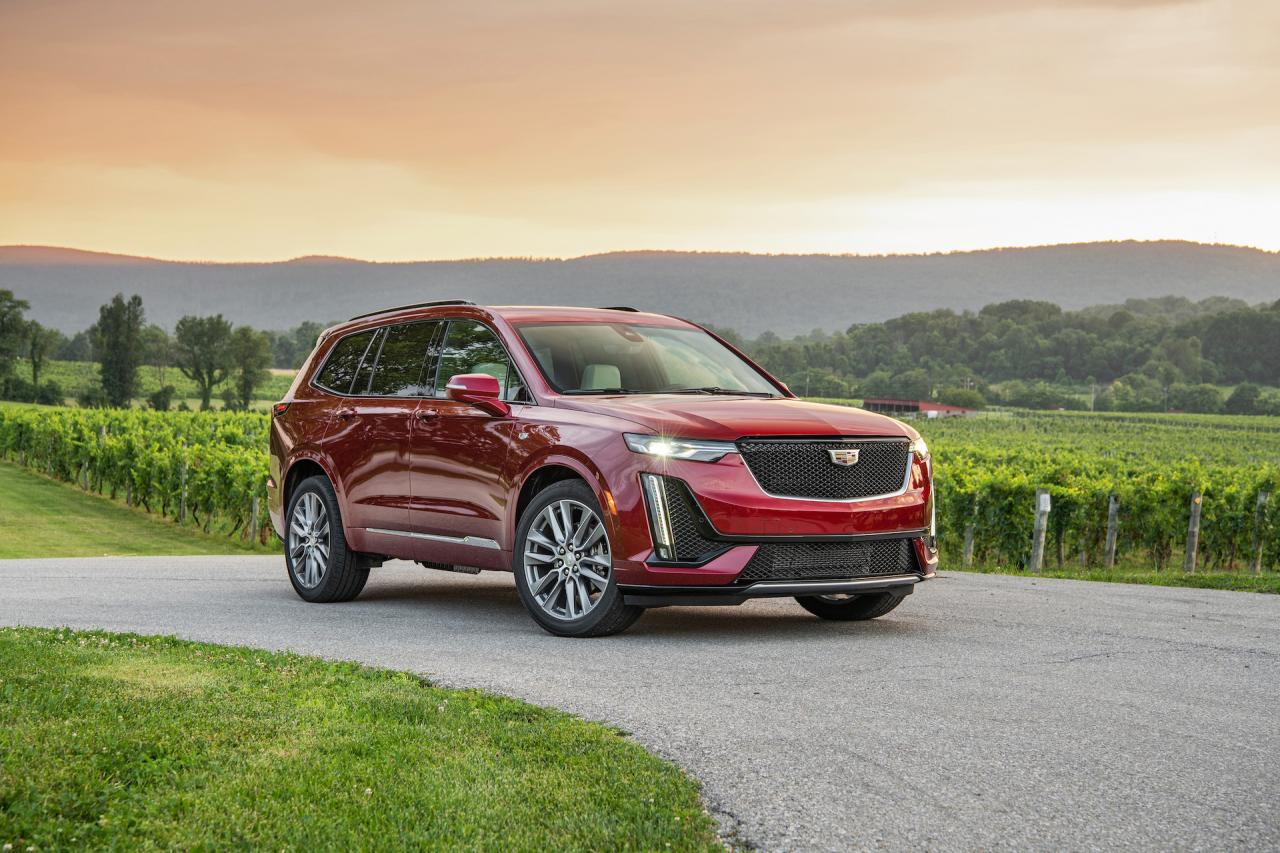
In the ever-evolving automotive industry, a powerful force has reshaped what drivers demand and what manufacturers deliver. The crossover vehicle, once a niche segment, has ascended to become the dominant force on roads worldwide. Blending the best attributes of a traditional sedan with the utility of an SUV, crossovers offer a compelling proposition that has captured the hearts and wallets of millions of consumers. This comprehensive article delves into the phenomenon of the crossover, exploring the reasons behind its explosive growth, the features that make it so appealing, and its future trajectory in a rapidly changing market.
The journey of the crossover from an obscure category to a mainstream icon is a fascinating case study in consumer behavior and market adaptation. For decades, the automotive world was neatly divided: sedans for city driving and fuel efficiency, and SUVs for ruggedness, space, and a commanding view of the road. But this binary choice left a significant gap. Many drivers desired the practicality of an SUV—the higher ground clearance, the versatile cargo space, and the feeling of safety—without the drawbacks of a large, cumbersome vehicle. The traditional SUV often came with a thirst for fuel, a challenging parking experience, and a ride quality that was more truck-like than car-like. This is where the crossover stepped in, offering the perfect middle ground.
Early pioneers in the crossover space, like the Toyota RAV4 and Honda CR-V, proved that this hybrid concept could work. They were built on a car’s unibody platform, which meant a more comfortable, sedan-like ride and better fuel economy than a body-on-frame SUV. Yet, they provided a higher seating position and more flexible interior space, ticking the boxes for families and adventurous individuals alike. As the years passed, manufacturers refined the formula, adding more sophisticated features, sleeker designs, and more powerful, yet efficient, engines. Today, the market is saturated with a dizzying array of crossovers, from subcompact models ideal for urbanites to three-row behemoths that can haul the whole family and their gear. The sheer variety and continuous innovation are testament to the crossover’s staying power.
Why Drivers Are Choosing Crossovers
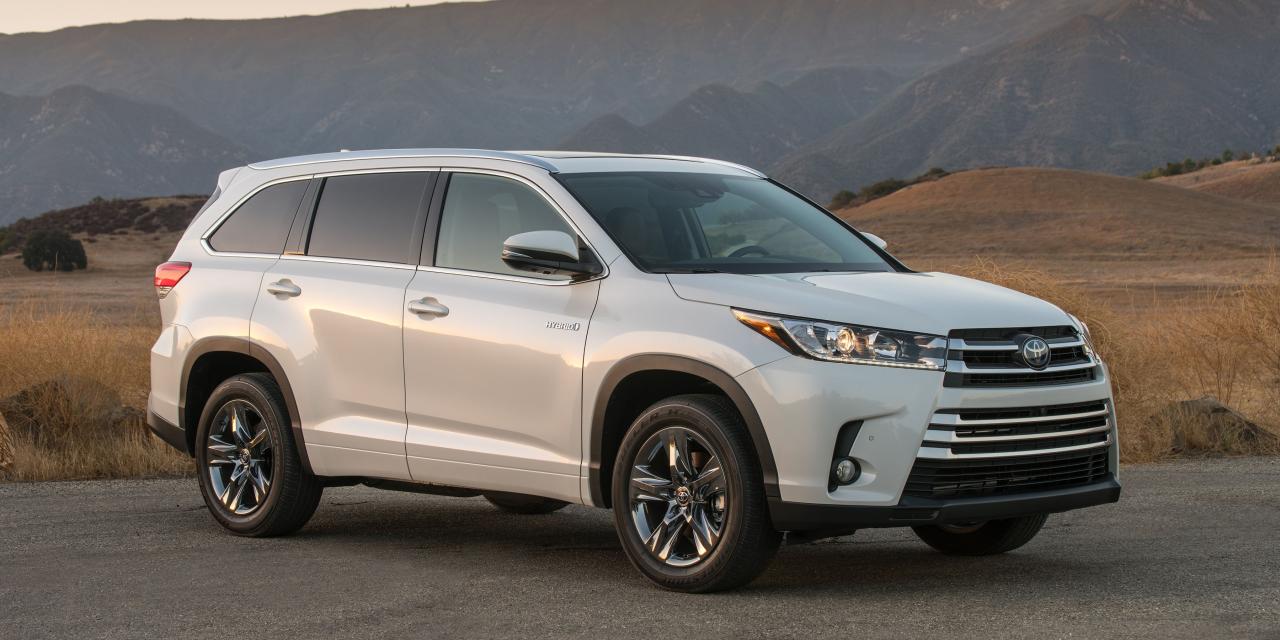
The widespread adoption of crossovers isn’t a happy accident; it’s a direct result of their ability to meet a diverse range of consumer needs. Here are some of the primary factors driving their popularity.
A. The Allure of a Higher Driving Position and Enhanced Visibility
One of the most immediate and appreciated benefits of a crossover is the elevated seating. Drivers and passengers sit higher off the ground compared to a sedan, providing a better vantage point of the road. This improved visibility is not just about seeing further ahead; it also contributes to a feeling of greater safety and control. In traffic, it makes anticipating movements and navigating congested streets easier. For parents, it offers a more commanding view of their surroundings, which is a significant psychological comfort.
B. Versatility and Adaptable Cargo Space
Crossovers excel in practicality. Their hatchback-style rear and folding rear seats create a highly flexible cargo area. This makes them perfect for a wide range of activities, from a large grocery run to hauling sports equipment, luggage for a road trip, or even small pieces of furniture. Unlike a sedan with a confined trunk, the open-plan cargo area of a crossover allows for taller items and makes loading and unloading much simpler. Many models also feature a low load floor, making it easy to lift heavy items without straining your back.
C. The Perfect Balance of Performance and Efficiency
Modern crossovers have made incredible strides in powertrain technology. The days of sacrificing fuel economy for size are over. Today, you can find crossovers with a range of efficient engines, including turbocharged four-cylinders, hybrids, and even all-electric options. This allows drivers to enjoy the utility and space they need without the constant worry of high fuel costs. Furthermore, many crossovers offer optional all-wheel drive (AWD) systems, providing extra grip and confidence in challenging weather conditions like snow or rain, without the weight and complexity of a traditional 4×4 system.
D. Advanced Safety Features and Technology Integration
As the automotive industry pushes forward with technological innovation, crossovers are at the forefront. They are often equipped with a comprehensive suite of advanced driver-assistance systems (ADAS), such as automatic emergency braking, lane-keeping assist, blind-spot monitoring, and adaptive cruise control. These features not only enhance safety but also reduce driver fatigue, making long journeys more comfortable. Inside the cabin, large touchscreen infotainment systems, smartphone integration (Apple CarPlay and Android Auto), and digital instrument clusters have become standard, transforming the driving experience into a connected and intuitive one.
E. The Aesthetic Appeal of Modern Design
The term “sleek” is now synonymous with the modern crossover. Gone are the boxy, utilitarian designs of early SUVs. Today’s crossovers feature sculpted body lines, aggressive front fascias, and coupe-like rooflines that create a dynamic and stylish presence. This design evolution has made them more than just practical tools; they are fashion statements. Manufacturers have invested heavily in creating distinctive looks that appeal to a broad consumer base, from sophisticated and luxurious to rugged and sporty.
Key Considerations for Buyers
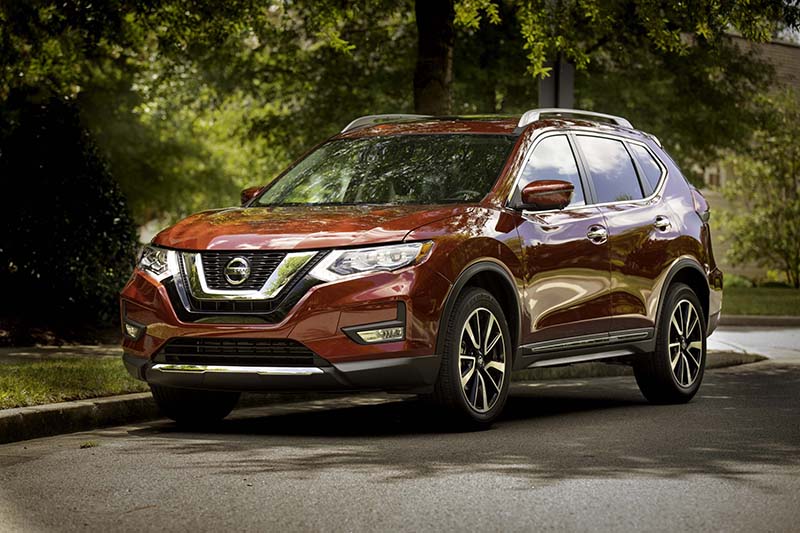
Choosing the right crossover can be a daunting task given the sheer number of options available. To make an informed decision, potential buyers should carefully consider several key factors.
A. Vehicle Size
The first step is to determine the right size. Subcompact crossovers are ideal for urban drivers who need a small footprint for easy parking but still want a bit of extra space and ground clearance. Compact crossovers are the sweet spot for many, offering a great balance of interior space and maneuverability. Mid-size crossovers are perfect for growing families, often providing an optional third row of seating, while full-size crossovers provide maximum space, comfort, and towing capacity.
B. Powertrain Options
The choice of engine and drivetrain is crucial. Standard gasoline engines offer a traditional, reliable option. For those focused on saving money at the pump, a hybrid or plug-in hybrid (PHEV) model offers significant fuel economy gains. For the environmentally conscious and tech-savvy, an all-electric crossover provides instant torque, zero emissions, and a futuristic driving experience, though with a higher initial cost and the need for charging infrastructure.
C. Safety and Technology Packages
While many safety features are now standard, it’s important to research what specific ADAS systems are included and which are optional. Look for features that are most important to your driving habits and environment. Similarly, explore the infotainment system and other technological amenities. A user-friendly interface, high-quality sound system, and seamless smartphone integration can make a huge difference in your daily commute.
D. Off-Road Capability
Many crossovers are primarily designed for on-road comfort. However, some models, particularly those with more robust AWD systems, higher ground clearance, and specific off-road modes, can handle light trail duty. Be honest about your needs. If your driving is limited to city streets and highways, paying extra for advanced off-road features is likely unnecessary. But if you frequently encounter unpaved roads or live in a rural area, it’s a feature worth considering.
E. Resale Value and Long-Term Ownership Costs
Finally, consider the long-term financial implications. Research the resale value of the models you are considering. A car that holds its value well will save you money in the long run. Also, look into maintenance costs, warranty coverage, and insurance rates for different models. A higher initial price tag might be offset by lower ownership costs over time.
The Future of the Crossover
The crossover segment is not static; it is constantly evolving, and its future is inextricably linked to the electric vehicle (EV) revolution. Manufacturers are rapidly electrifying their most popular models, and the crossover form factor is proving to be the perfect canvas for this new technology.
The inherent design of a crossover, with its larger body, provides ample space for a large battery pack, allowing for greater range and more powerful electric motors. The elevated ride height also protects the battery from road debris and potential impacts. As battery technology improves and charging infrastructure becomes more widespread, electric crossovers are poised to become the new standard. Models like the Tesla Model Y, Ford Mustang Mach-E, and Hyundai IONIQ 5 have already demonstrated the immense potential of this category, offering blistering performance, impressive range, and cutting-edge technology that is setting new benchmarks for the entire industry.
Moreover, the crossover’s dominance will continue to influence car design across all segments. Expect to see sedans and even hatchbacks adopting more crossover-like traits, such as higher ground clearance and rugged exterior styling. The lines between vehicle categories will become increasingly blurred as manufacturers strive to capture the aesthetic and practical appeal that has made the crossover so popular. The journey of the crossover from an automotive novelty to a road-dominating force is a powerful narrative of consumer demand shaping an industry.
Conclusion
In conclusion, the crossover vehicle’s triumph on global roads is a testament to its exceptional ability to adapt and serve the modern driver’s needs. It is no longer just an alternative; it is the benchmark against which other vehicles are measured. By expertly blending the practicality of a utility vehicle with the comfort and efficiency of a sedan, crossovers have created a new paradigm in personal transportation. They offer a higher, safer-feeling driving position, unmatched interior versatility, and a stylish design that appeals to a wide demographic.
The relentless innovation in this segment, particularly the embrace of electrification and advanced technology, ensures its continued relevance and dominance. As we look to the future, the crossover will not only continue to dominate but will also lead the charge into an era of sustainable, connected, and intelligent mobility. Whether you are a young professional, a growing family, or an adventurous retiree, there is likely a crossover perfectly tailored to your lifestyle. This vehicle category isn’t just about getting from point A to point B; it’s about doing so with style, comfort, safety, and a level of practicality that has made it an indispensable part of our lives. Its reign is well-deserved and shows no signs of slowing down.