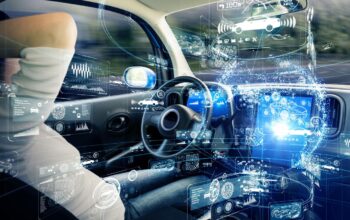

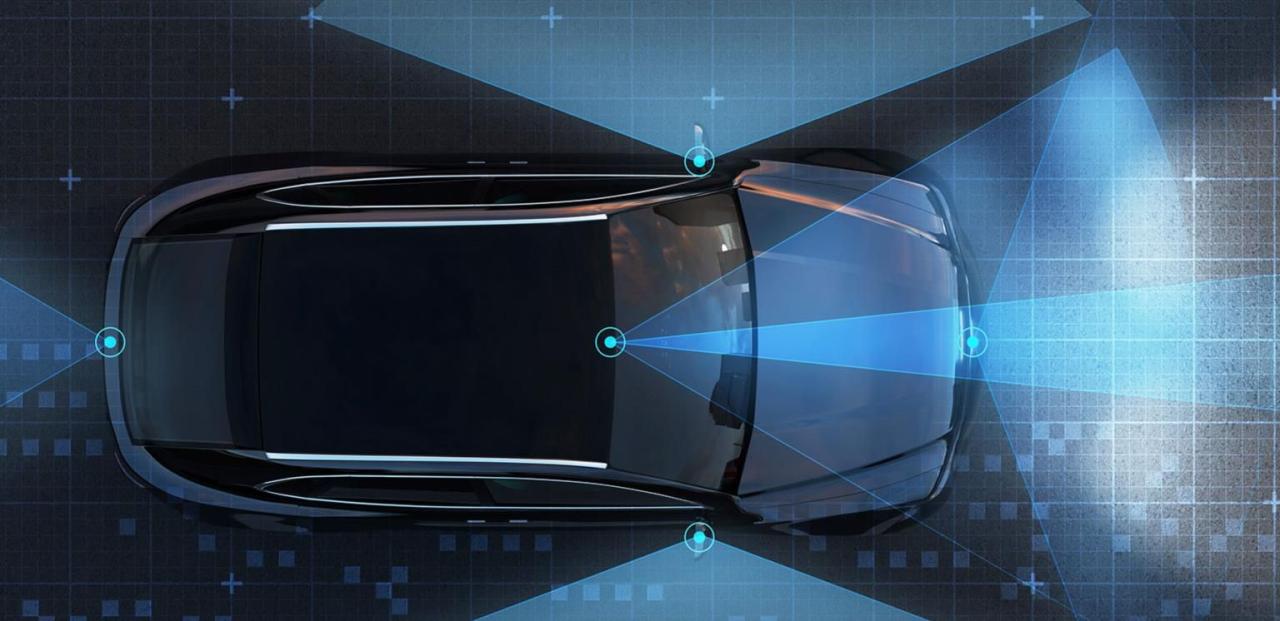
The automotive industry is undergoing a profound transformation, moving beyond mere mechanical engineering to embrace a new era defined by connectivity. Once a luxury, connectivity has become a fundamental expectation, reshaping every facet of the driving experience and opening up unprecedented opportunities for innovation, safety, and efficiency. This shift from isolated vehicles to rolling data hubs is not just an incremental improvement; it’s a fundamental reimagining of personal mobility. This article will delve into how connectivity is revolutionizing the automotive experience, exploring its various dimensions, underlying technologies, immense benefits, inherent challenges, and the exciting future it promises.
The Dawn of the Connected Vehicle Era
For decades, the car remained largely an analog machine. Its primary function was transportation, and while comfort and performance improved, the core interaction between driver and vehicle stayed relatively static. The advent of the internet and the proliferation of mobile devices, however, laid the groundwork for a seismic shift. Today, vehicles are no longer just modes of transport; they are becoming complex, data-generating, and data-consuming devices, intricately linked to the digital world.
This evolution is driven by several converging factors:
A. Ubiquitous Mobile Connectivity: The widespread availability of 4G and now 5G networks provides the high-bandwidth, low-latency communication required for real-time data exchange in vehicles. B. Advancements in Sensor Technology: Miniaturized, powerful, and affordable sensors allow vehicles to gather vast amounts of data about their surroundings, internal status, and driver behavior. C. Increased Computing Power: In-car processors are becoming increasingly sophisticated, capable of handling complex computations locally before sending data to the cloud. D. Growing Consumer Demand: Drivers and passengers expect seamless integration of their digital lives with their vehicles, mirroring the convenience they experience with smartphones and smart homes. E. Regulatory and Safety Initiatives: Governments and industry bodies are pushing for technologies that enhance road safety and reduce environmental impact, often leveraging connectivity.
The “connected car” is essentially a vehicle equipped with internet access, allowing it to share data with other devices both inside and outside the vehicle. This data exchange unlocks a wealth of services and functionalities that were once unimaginable.
Pillars of Automotive Connectivity
Connectivity in vehicles isn’t a singular feature but a complex interplay of various technologies and communication channels. Understanding these pillars is crucial to grasp the breadth of the connected automotive experience.
A. Telematics and Infotainment Systems
At the forefront of in-car connectivity are telematics and infotainment systems.
- Telematics: This refers to the integrated use of telecommunications and informatics for sending, receiving, and storing information via telecommunication devices in conjunction with vehicular motion. Early telematics focused on emergency services (like GM’s OnStar for crash notification) and navigation. Today, telematics encompasses a much broader range of services, including:
- Remote Diagnostics: Monitoring vehicle health and predicting potential failures.
- Stolen Vehicle Recovery: Tracking and locating a vehicle if it’s stolen.
- Fleet Management: For commercial vehicles, optimizing routes, monitoring driver behavior, and managing maintenance schedules.
- Usage-Based Insurance: Adjusting insurance premiums based on driving habits.
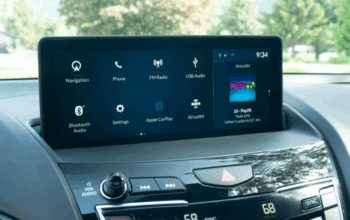
- Infotainment Systems: These are the hub for in-car entertainment and information. Modern infotainment systems typically feature large touchscreens and offer functionalities such as:
- Navigation: Real-time traffic updates, point-of-interest searches, and dynamic routing.
- Media Playback: Streaming music, podcasts, and video (when parked).
- Smartphone Integration: Apple CarPlay, Android Auto, and mirroring technologies seamlessly integrate mobile device functionalities.
- Voice Assistants: Natural language processing allows drivers to control various vehicle functions, make calls, or get information using voice commands.
- Over-the-Air (OTA) Updates: Remotely updating vehicle software, including infotainment features, performance enhancements, and security patches. This capability is transformative, allowing vehicles to improve over time without needing a visit to a service center.
B. Vehicle-to-Everything (V2X) Communication
Perhaps the most transformative aspect of automotive connectivity is V2X communication, which allows vehicles to communicate with their surroundings. V2X is an umbrella term encompassing several types of communication:
- Vehicle-to-Vehicle (V2V): Cars directly communicate with each other, sharing information about speed, direction, braking, and potential hazards. This can prevent collisions by alerting drivers to unseen dangers or coordinating maneuvers.
- Vehicle-to-Infrastructure (V2I): Vehicles communicate with road infrastructure such as traffic lights, road signs, parking meters, and toll booths. This enables optimized traffic flow, reduced congestion, and improved navigation by providing real-time information on traffic light timings, road conditions, and available parking.
- Vehicle-to-Pedestrian (V2P): Communication with pedestrians carrying enabled devices (like smartphones or wearables). This can warn drivers of pedestrians in blind spots or alert pedestrians to approaching vehicles.
- Vehicle-to-Network (V2N): Communication with cloud-based services and networks. This is the foundation for services like real-time navigation updates, remote diagnostics, and entertainment streaming.
- Vehicle-to-Grid (V2G): For electric vehicles, V2G allows bidirectional power flow between the vehicle battery and the electrical grid. This enables EVs to support the grid during peak demand or even earn money by selling excess stored energy.
V2X communication relies on various underlying technologies, including Dedicated Short Range Communications (DSRC) and cellular V2X (C-V2X), which leverages existing cellular networks (4G LTE and 5G). The development of 5G, with its ultra-low latency and high bandwidth, is particularly crucial for the widespread adoption and effectiveness of V2X.
C. In-Car Wi-Fi Hotspots
Many modern vehicles offer built-in Wi-Fi hotspots, leveraging cellular data connections. This provides internet access for all occupants and their devices, turning the car into a mobile office or entertainment hub. This feature is particularly valuable for long journeys or for passengers who need continuous connectivity.
D. Cloud Integration
The cloud serves as the backbone for almost all connected car services. Vehicle data is transmitted to cloud platforms for processing, storage, and analysis. This enables:
- Data Analytics: Aggregating and analyzing vast amounts of vehicle data to identify trends, improve vehicle performance, and develop new services.
- Remote Control and Monitoring: Allowing owners to remotely lock/unlock doors, start the engine, or monitor vehicle location via a smartphone app.
- Personalization: Delivering tailored services and content based on driver preferences and habits.
- Fleet Management and Logistics Optimization: For commercial applications, cloud platforms enable sophisticated tracking, scheduling, and resource allocation.
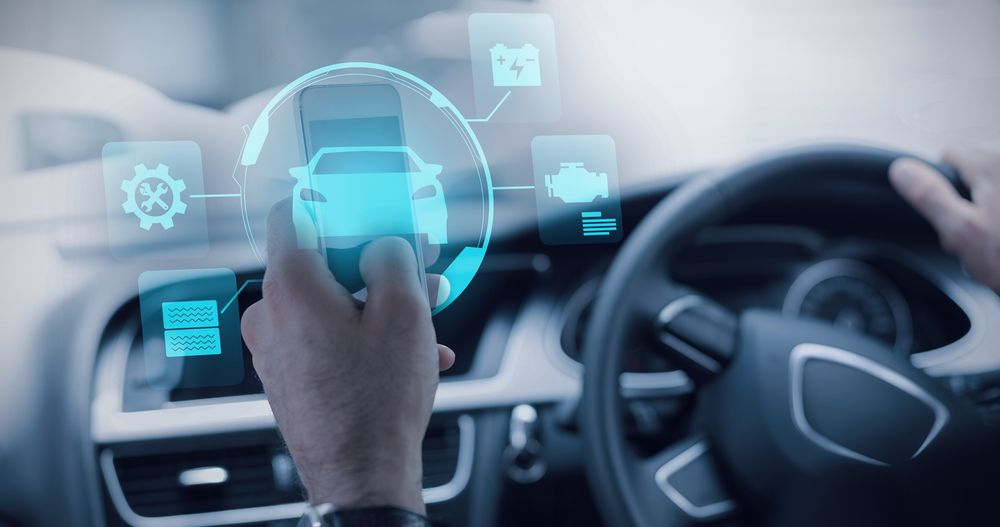
The Transformative Benefits of Automotive Connectivity
The pervasive integration of connectivity in vehicles translates into a myriad of benefits that enhance safety, convenience, efficiency, and the overall ownership experience.
A. Enhanced Safety and Accident Prevention
Connectivity is a game-changer for road safety, moving towards a future with fewer accidents and fatalities.
- Collision Avoidance Systems: V2V communication allows vehicles to “see” what’s happening around corners or beyond the line of sight, preventing collisions by alerting drivers to sudden braking ahead or vehicles in blind spots.
- Emergency Call Services (eCall): In the event of a severe crash, eCall systems automatically contact emergency services, providing precise location data, which can significantly reduce response times and save lives.
- Real-Time Hazard Warnings: Vehicles can receive warnings about upcoming road hazards, adverse weather conditions, or traffic congestion from other vehicles or infrastructure.
- Driver Monitoring Systems: In-cabin cameras and sensors can detect driver fatigue or distraction, providing alerts to prevent accidents.
B. Improved Efficiency and Reduced Environmental Impact
Connected vehicles are inherently more efficient, leading to fuel savings and reduced emissions.
- Optimized Navigation: Real-time traffic data allows navigation systems to suggest the most efficient routes, avoiding congestion and minimizing travel time and fuel consumption.
- Intelligent Traffic Management: V2I communication enables traffic lights to dynamically adjust based on real-time traffic flow, smoothing out traffic and reducing idling time.
- Predictive Maintenance: By continuously monitoring vehicle health, connected systems can predict potential mechanical failures, allowing for proactive maintenance that prevents costly breakdowns and ensures optimal performance.
- Eco-Friendly Driving Coaching: Some systems provide feedback on driving habits (e.g., harsh acceleration/braking) to encourage more fuel-efficient and environmentally conscious driving.
C. Unparalleled Convenience and Personalization
Connectivity transforms the driving experience into a seamless and personalized journey.
- Seamless Digital Integration: Drivers can access their favorite apps, music, and contacts directly through the car’s infotainment system, mirroring their smartphone experience.
- Remote Vehicle Control: Starting the engine remotely, pre-heating/cooling the cabin, locking/unlocking doors, or even finding the car in a crowded parking lot – all from a smartphone app.
- Personalized Settings: Vehicle settings (seat position, climate control, preferred music) can be automatically adjusted based on the recognized driver.
- Contextual Information: Receiving relevant information based on location, such as available parking spaces, nearby restaurants, or local attractions.
- Over-the-Air Updates: The ability to update vehicle software remotely means cars can gain new features, improve performance, and enhance security throughout their lifespan, similar to how smartphones evolve.
D. New Business Models and Revenue Streams
The connected car ecosystem is fostering a wave of new business opportunities for automakers, tech companies, and service providers.
- Subscription Services: Offering premium features, enhanced navigation, Wi-Fi hotspots, or entertainment packages on a subscription basis.
- Data Monetization: Anonymized and aggregated vehicle data can be valuable for urban planning, traffic management, insurance companies, and even retail.
- In-Car Commerce: Enabling secure transactions directly from the vehicle, such as paying for fuel, parking, or drive-through orders.
- On-Demand Services: Future possibilities include ride-sharing, car-sharing, and personalized mobility services directly integrated into the vehicle.
- Value-Added Services: Offering services like predictive maintenance notifications, roadside assistance, or concierge services.
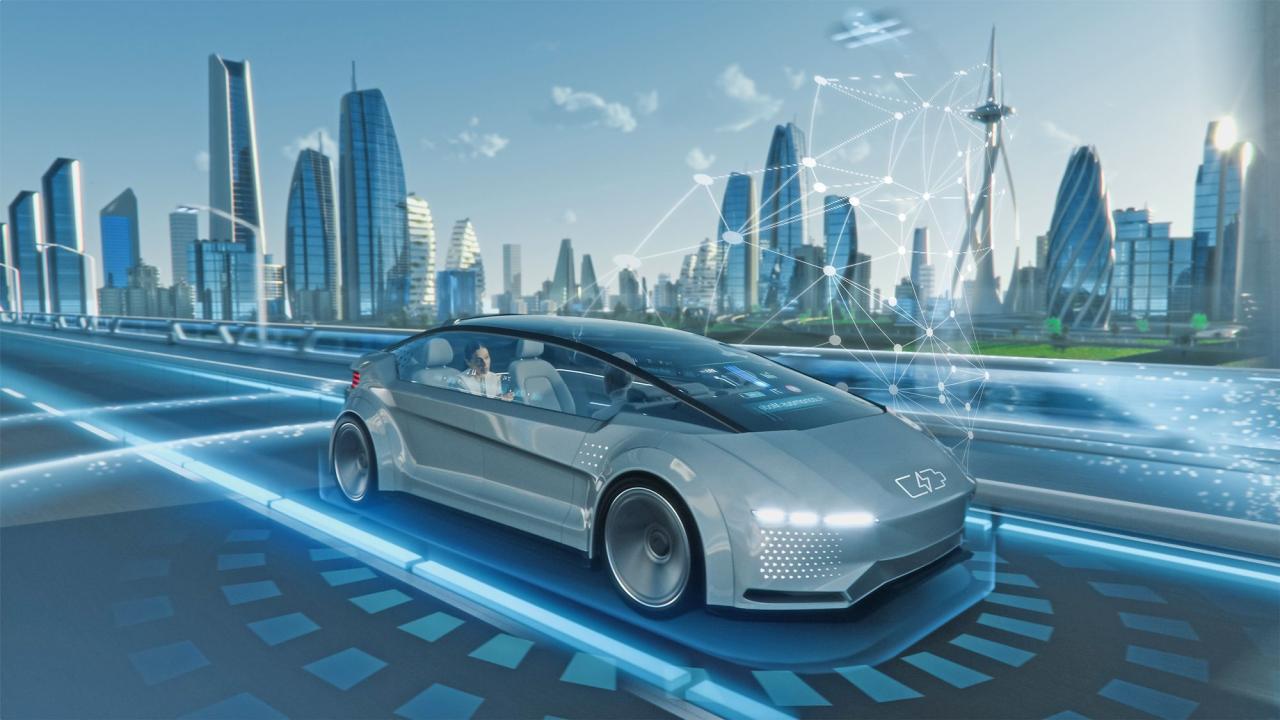
Challenges and Considerations
Despite the enormous potential, the widespread adoption and successful implementation of connected car technologies face several significant challenges that require careful consideration and robust solutions.
A. Cybersecurity Risks
As vehicles become more connected, they also become more vulnerable to cyberattacks. A successful breach could lead to:
- Data Theft: Personal information, driving habits, or financial data could be compromised.
- Remote Control and Manipulation: Malicious actors could potentially gain unauthorized control over vehicle functions, leading to dangerous situations.
- Denial of Service: Disabling critical vehicle systems or communication channels.
- Privacy Concerns: The vast amount of data collected by connected cars raises legitimate privacy concerns regarding how this data is stored, used, and shared. Robust data anonymization and strict consent mechanisms are crucial.
Automakers and technology providers must prioritize cybersecurity by design, implementing multi-layered security protocols, rigorous testing, and continuous monitoring to protect vehicles and their occupants.
B. Data Privacy and Ownership
The sheer volume of data generated by connected cars – from location and driving patterns to infotainment preferences and biometric data – raises complex questions about data privacy and ownership.
- Who owns the data? Is it the driver, the vehicle owner, the automaker, or the service provider?
- How is the data used? Is it sold to third parties? How is consent obtained for data collection and sharing?
- How is the data protected? What measures are in place to prevent unauthorized access or misuse?
Clear regulations, transparent data policies, and strong encryption are essential to build consumer trust and ensure ethical data handling.
C. Regulatory and Legal Frameworks
The rapid evolution of connected car technology often outpaces existing regulations. New legal frameworks are needed to address:
- Liability in Autonomous Driving: Who is responsible in the event of an accident involving a highly automated or autonomous vehicle? The driver, the automaker, the software provider, or the infrastructure owner?
- Data Governance: Standardized rules for data collection, storage, sharing, and retention across different jurisdictions.
- Spectrum Allocation: Ensuring adequate radio spectrum for V2X communication, which is critical for safety applications.
- International Harmonization: Developing consistent standards and regulations across different countries to facilitate global deployment and interoperability.
D. Infrastructure Development
The full potential of V2X communication, especially V2I, relies on the deployment of smart road infrastructure. This requires significant investment from governments and municipalities to equip roads, traffic lights, and other urban elements with communication capabilities.
E. Interoperability and Standardization
For a truly seamless connected car ecosystem, different vehicles, devices, and services need to be able to communicate effectively with each other. This requires robust industry standards for communication protocols, data formats, and cybersecurity. Without interoperability, the connected car experience could become fragmented and less efficient.
F. Consumer Adoption and Trust
While many consumers are excited about connected car features, some remain skeptical due to concerns about cost, privacy, and security. Building trust through transparent practices, robust security, and clear communication about the benefits is vital for widespread adoption. The digital divide and access to reliable connectivity in rural areas also need to be addressed.
The Future of Mobility: Driven by Connectivity
Looking ahead, the trajectory of automotive connectivity is clear: more pervasive, more intelligent, and more integrated. Several key trends will define the future of the connected automotive experience.
A. Autonomous Driving Integration
Connectivity is the lifeline for autonomous vehicles. Self-driving cars rely heavily on constant communication with each other (V2V), road infrastructure (V2I), and cloud services to process vast amounts of data, make real-time decisions, and navigate safely. The advancement of 5G and future generations of cellular technology will be crucial for the ultra-reliable, low-latency communication required for fully autonomous driving. Without robust connectivity, true widespread autonomous mobility remains a distant dream.
B. Predictive and Proactive Services
Beyond simply reacting to events, connected vehicles will become increasingly predictive and proactive.
- Predictive Maintenance: Moving from scheduled maintenance to maintaining components based on their actual wear and tear, reducing downtime and costs.
- Proactive Traffic Management: Systems that anticipate traffic congestion based on real-time data and historical patterns, rerouting vehicles before jams occur.
- Personalized Mobility Solutions: Offering tailored transportation options, whether it’s suggesting ride-sharing alternatives, public transport connections, or optimizing personal routes based on individual preferences and real-time conditions.
C. Digital Ecosystems and In-Car Commerce
The car will become an increasingly important node in our broader digital ecosystems.
- Seamless Integration with Smart Homes: Controlling home devices from the car, or having home systems react to the car’s proximity.
- In-Car Payments: Simplifying transactions for fuel, parking, tolls, and even drive-through food orders directly from the vehicle’s infotainment system.
- Subscription-Based Features: Automakers are exploring models where certain vehicle features or performance enhancements can be activated on demand or through subscriptions, offering greater flexibility and customization.
- Augmented Reality (AR) in Navigation: Overlaying navigational directions, points of interest, and safety warnings directly onto the driver’s view of the road, enhancing situational awareness.
D. Sustainable Mobility Solutions
Connectivity plays a pivotal role in accelerating the shift towards more sustainable transportation.
- Optimized EV Charging: Connected electric vehicles can communicate with charging infrastructure, optimizing charging times based on grid demand, electricity prices, and battery health.
- Smart Grid Integration (V2G): As discussed, EVs can become mobile energy storage units, contributing to grid stability and potentially earning revenue for owners.
- Shared Mobility Platforms: Connectivity is fundamental for car-sharing, ride-sharing, and micro-mobility services, enabling efficient asset utilization and reducing the overall number of vehicles on the road.
Conclusion
The automotive industry stands at the precipice of its most significant transformation since the invention of the internal combustion engine. Connectivity is not merely an add-on; it is the central nervous system of the modern vehicle, powering a revolution that promises safer roads, more efficient journeys, unparalleled convenience, and entirely new ways of interacting with our personal transportation.
While challenges related to cybersecurity, privacy, and regulatory frameworks must be meticulously addressed, the trajectory towards a fully connected automotive ecosystem is irreversible. The continuous evolution of communication technologies, coupled with the relentless pursuit of innovation by automakers and tech giants, ensures that the connected car will continue to redefine what it means to drive and experience personal mobility. The journey is far from over; in fact, for the connected car, the most exciting roads still lie ahead.